Why good luck comes in odd numbers
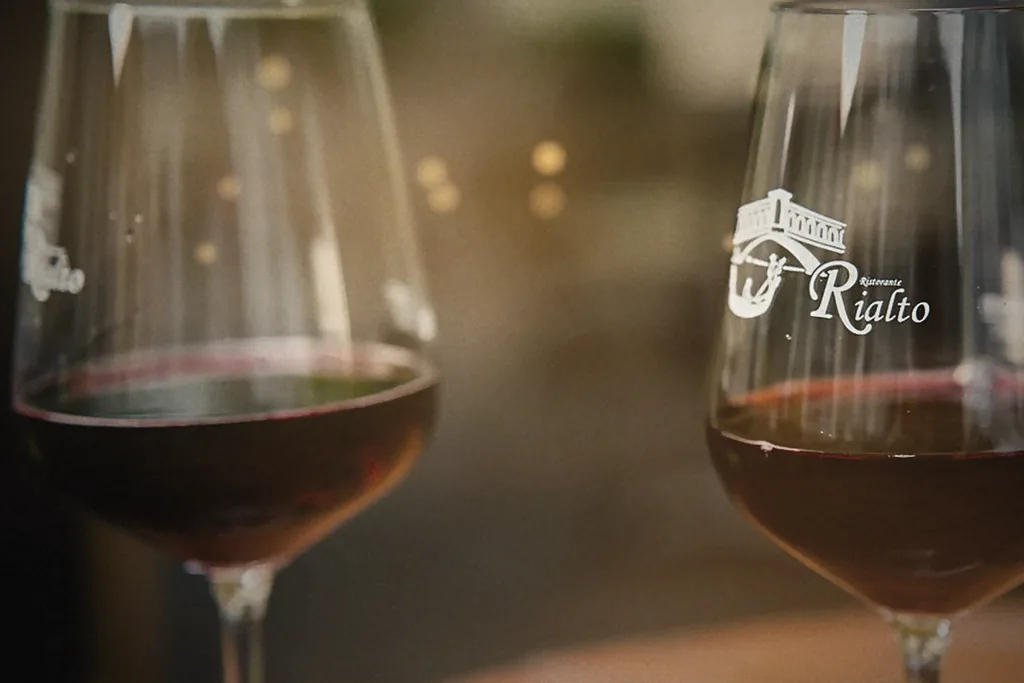
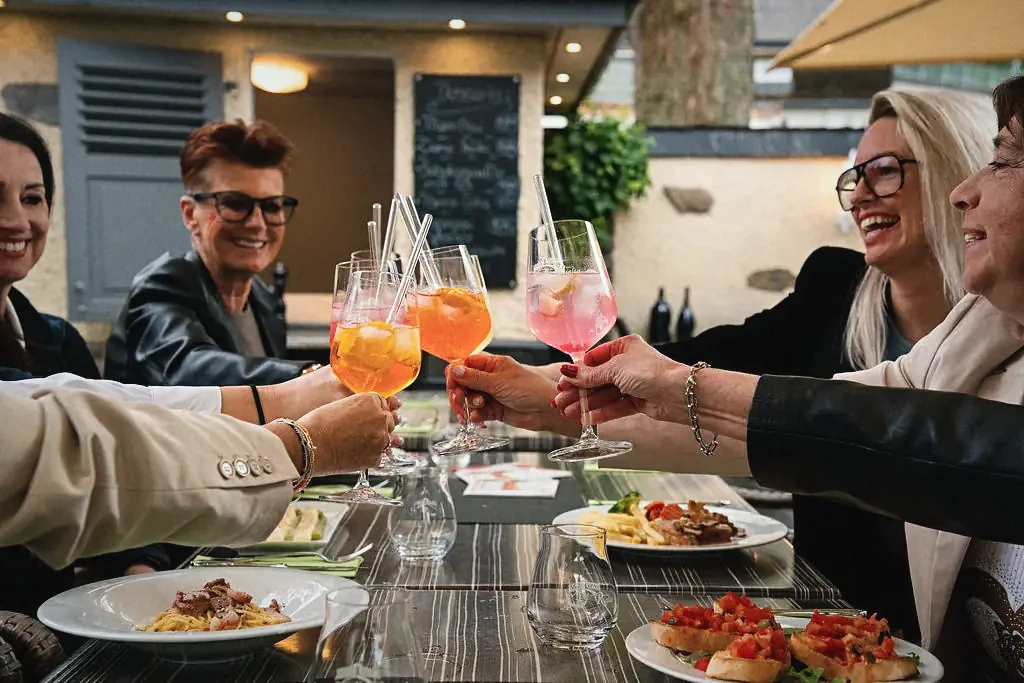
Enjoying life together: celebrations at the Ristorante Rialto in Vallendar (photo: Christine Manthey).
How Italy came to the RhineChapter 10
Every party has a plan: who arrives when, who sits next to whom, when the cake is carried in. And every good party has a moment when nobody looks at the plan any more. The conversations get longer, the plates travel across the table, and nobody quite knows any more what everyone is laughing about. For that moment, people on the Rhine and in Italy have invented an astonishing number of customs over the centuries.
Why are there confetti at Italian weddings?
Because happiness should be sweet. In Italy confetti are not scraps of paper but small sugared almonds with a hard sugar shell. For a wedding they are white, and they are given in odd numbers. Odd numbers are considered indivisible, just like the couple. Most often there are five. According to tradition they stand for health, wealth, happiness, a long life and children. This interpretation is not documented, but who would argue with such a wish?
Sulmona in the Abruzzo is famous for its confetti. The town archives contain entries about sugar and confetti as early as 1492 and 1493.
What is a bomboniera?
The little gift in which the confetti come to the guests. The name comes from the French “bonbonnière”, a box for sweets. And the bonbon comes from the word “bon”, good. So it is doubly good, which is easy to remember.
Who are the Bemoosten?
Vallendar’s carnival club, and it has been around for a very long time. The Große KG “Die Bemoosten 1842” is one of the oldest carnival societies in the Rhineland. According to Wilhelm Capitain’s local chronicle of 1930, it was founded in February 1842; the name is documented from 1845. Where it comes from is uncertain. In student slang, a “bemoostes Haupt”, a mossy head, was a student in a very high semester. A local newspaper, on the other hand, thinks of bearded men. To this day it is an all-male society.
In Vallendar the carnival season is opened at the Plattpopo fountain on Hellenstraße. Where the nickname of the people of Vallendar comes from is not documented either, by the way. Some questions are best left standing at carnival.
What did Koblenz celebrate in the summer of 1925?
Wine. For the “Reich Exhibition of German Wine” from 8 August to 13 September 1925, four half-timbered houses were built in Koblenz in the style of different wine regions: the Weindorf, the wine village. They were only supposed to stand for the exhibition. They stayed. In the Second World War the Weindorf was destroyed, in 1951 it was rebuilt, and in 2025 it turned one hundred. A party that lasts longer than planned: you can hardly pay a celebration a nicer compliment. The Rialto has only one house instead of four, but Italian food has been cooked in it since 1978.
What can you celebrate at the Rialto?
Birthdays, weddings, anniversaries and company parties. A milestone birthday, the colleagues after a good year, the family after far too long: some evenings are too good for an ordinary table.
How does the planning work?
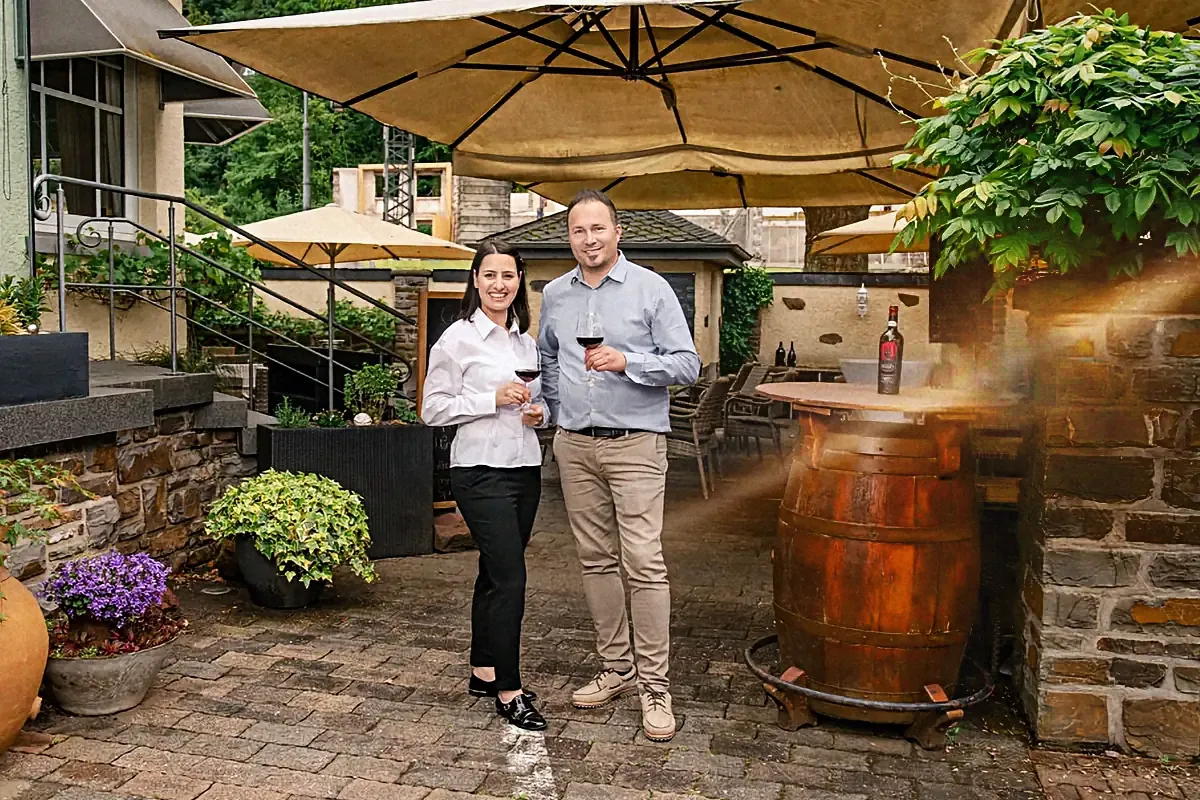
We have no rigid package deals. You sit down with Giovanni Vicari over an espresso and tell him what you have in mind. He plans the menu, wine and running order with you personally. Head chef Agim and the team take care of the rest. Sometimes that takes one espresso longer than a form. In return, you get an evening that suits you.
You are welcome to enquire about your party personally by phone on 0261 60329, or write to us using the enquiry form. On your evening you should only have to do one thing: celebrate with your guests.
And if you would rather have the party at home: how the food then comes to you is told in the eleventh chapter.
AddressRistorante Rialto, Löhrstraße 77, 56179 Vallendar
Opening hoursTuesday to Saturday 11:30–14:15 and 17:30–22:00, closed Sunday and Monday
Phone0261 60329, we are happy to book tables by phone
Feeling hungry?
That is catching here. The whole menu is one click away, a table one phone call.