The mushroom that lives underground
How Italy came to the RhineChapter 6
Some ingredients you buy. Others you have to look for. The truffle belongs to the second kind. It does not grow in a field but hidden underground, among the roots of oaks, hazels and poplars. From above you see nothing. No leaf, no stem, no clue. Only someone with a very good nose knows where it lies.
Who actually finds the truffle?
The nose usually belongs to a dog. In Italy, pigs used to search too, and they were very good at it. Unfortunately, they were also very good at eating the find. That is why they are banned from the hunt today and dogs have taken over the job. They dig carefully, get a treat and leave the find to their human.
In Italy, truffle hunters are called “tartufai”. They are said not to reveal their best spots even to their own families. Whether that is true, nobody will tell you, of course.
Can you look for truffles in German forests?
You certainly cannot take any home. Truffles do grow here, but all native species are specially protected under the Federal Species Protection Ordinance. Even digging up the smallest find in the wild is forbidden. Native truffles may only be sold if they come from plantations. Anyone who plants one needs patience: full harvests are said to come only after ten to thirteen years. So a truffle farmer thinks in much the same time spans as a winemaker.
Where does the truffle grow near us?
In the Ahr valley, just north of Koblenz, above the vineyards of Sinzig. There the Burgundy truffle, the most common truffle in Germany, is cultivated on purpose. Hazel shrubs have been planted whose roots were inoculated with the mycelium of native Burgundy truffles. According to one report, a trained dog found around 300 grams there in half an hour. For a dog, that is a very decent shift.
Why does the truffle go on the plate last?
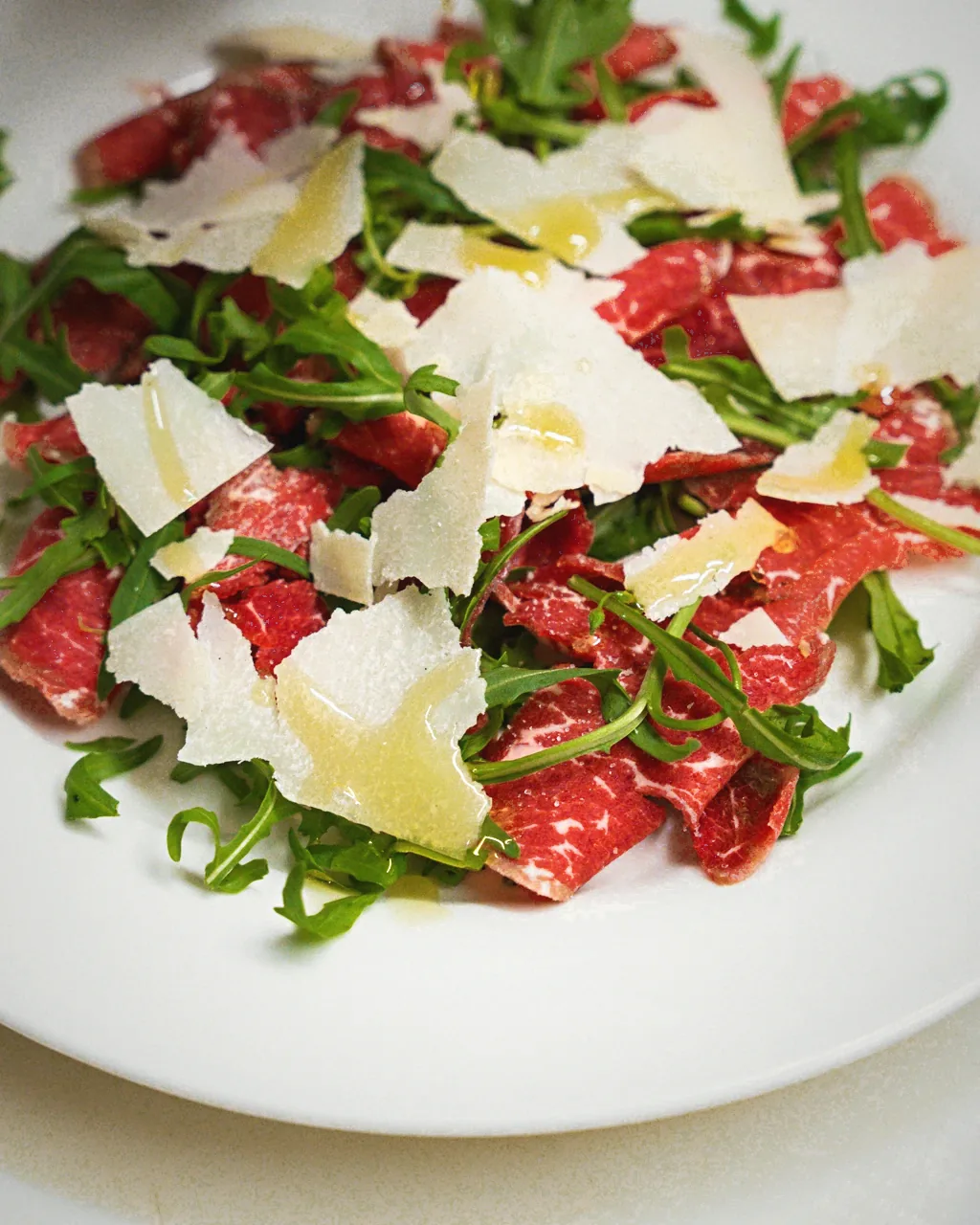
Because its aroma is delicate. It does not like high heat. That is why it is usually shaved over the dish right at the end, and fat carries its flavour best: butter, cheese, fresh pasta, a good piece of meat. On the weekly menu it makes three appearances this time: on a pizza without tomato sauce, with the rump steak and fresh tagliolini, and on the carpaccio.
What does carpaccio have to do with Venice?
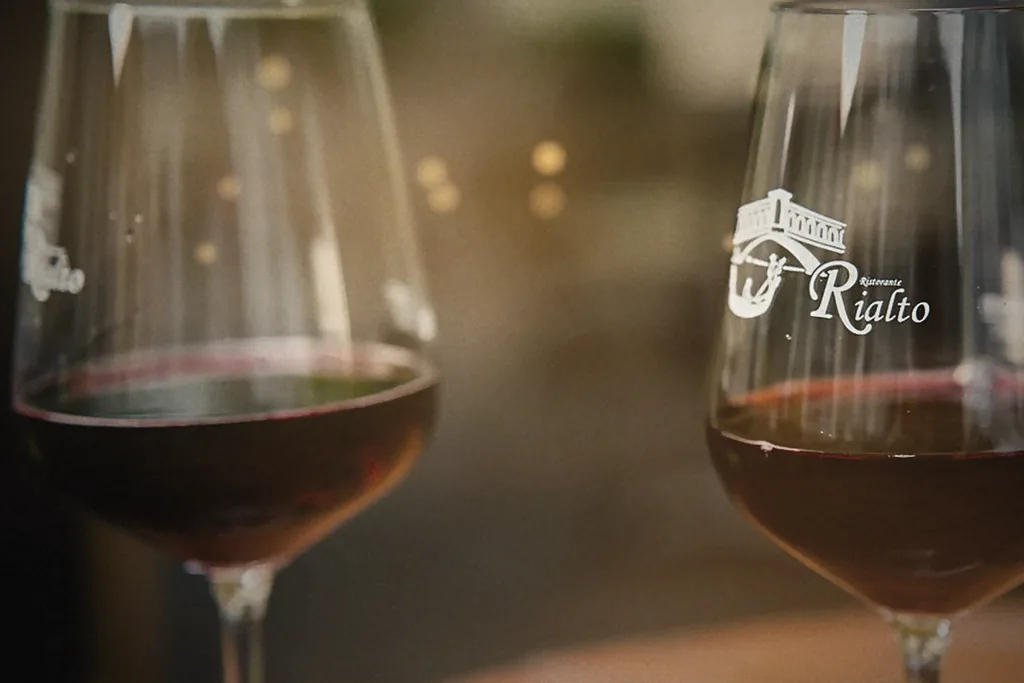
Quite a lot, and so with our name, too. Carpaccio was invented in Venice, the city of the Rialto Bridge. At Harry’s Bar, Giuseppe Cipriani is said to have served a regular wafer-thin slices of raw beef around 1950, because her doctor had forbidden her cooked meat. He borrowed the name from a painter. Vittore Carpaccio painted Venice some 500 years ago, with a glowing red that recalled this meat. And so a painting became a plate.
Where do gnocchi get their name from?
Probably from the Italian word for a knot in wood. Gnocchi are older than the potato in Europe. They used to be made from bread, semolina or flour. Only with the potato from America did they become what we know today. In Rome they say: “Giovedì gnocchi”, on Thursday there are gnocchi. With us, in November, there are gnocchi on the other days, too, with a wild boar ragout, as in Tuscany. With it comes provolone, a cheese from southern Italy that is hung on strings to ripen.
What does a zander have to do with a pike?
In Italian, the zander is called “lucioperca”, literally pike-perch. Its flesh is firm and pale, with hardly any bones. Our kitchen lays it on a white wine and herb sauce. And for the Pollo Caprese, a chicken breast is baked with tomato, mozzarella and basil, in the colours of the Italian flag. You can hardly dress a chicken more patriotically.
What does Italy celebrate on 11 November?
San Martino. An old saying goes: “A San Martino ogni mosto diventa vino”, at St Martin’s every must becomes wine. On this day the new wine is tasted, with roasted chestnuts on the side. The mild days around 11 November are called “l’estate di San Martino”, St Martin’s summer. In the old days, leases also ran out on this day.
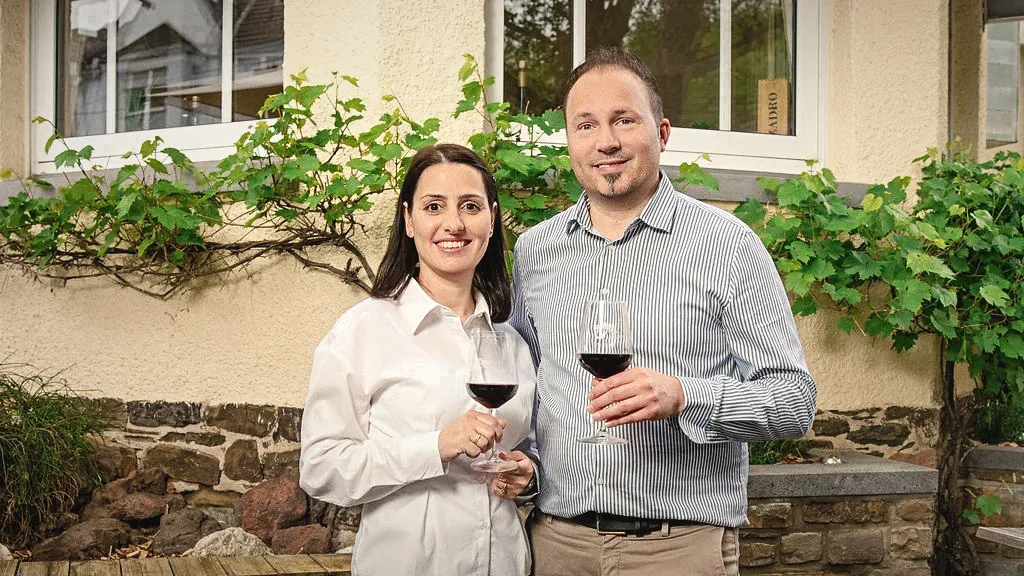
For Vallendar the day may even have special meaning. According to one source, the lordship of Vallendar was sold to the Prince-Elector of Trier on 11 November 1767. If that is true, the town changed hands on St Martin’s Day of all days. The Rialto passed into new hands without a prince-elector and without a single guilder: Franco Palamin handed it over to Giovanni and Aline Vicari, as friends do.
The full weekly menu with all dishes and prices is on the menu page. You are welcome to book a table personally by phone on 0261 60329. Takeaway is available too, of course.
How the Italians themselves came to the Rhine, with ice cream carts, pizza ovens and an agreement from 1955, is told in the seventh chapter.
AddressRistorante Rialto, Löhrstraße 77, 56179 Vallendar
Opening hoursTuesday to Saturday 11:30–14:15 and 17:30–22:00, closed Sunday and Monday
Phone0261 60329, we are happy to book tables by phone
Feeling hungry?
That is catching here. The whole menu is one click away, a table one phone call.