Chanterelles and the rules of the forest
How Italy came to the RhineChapter 5
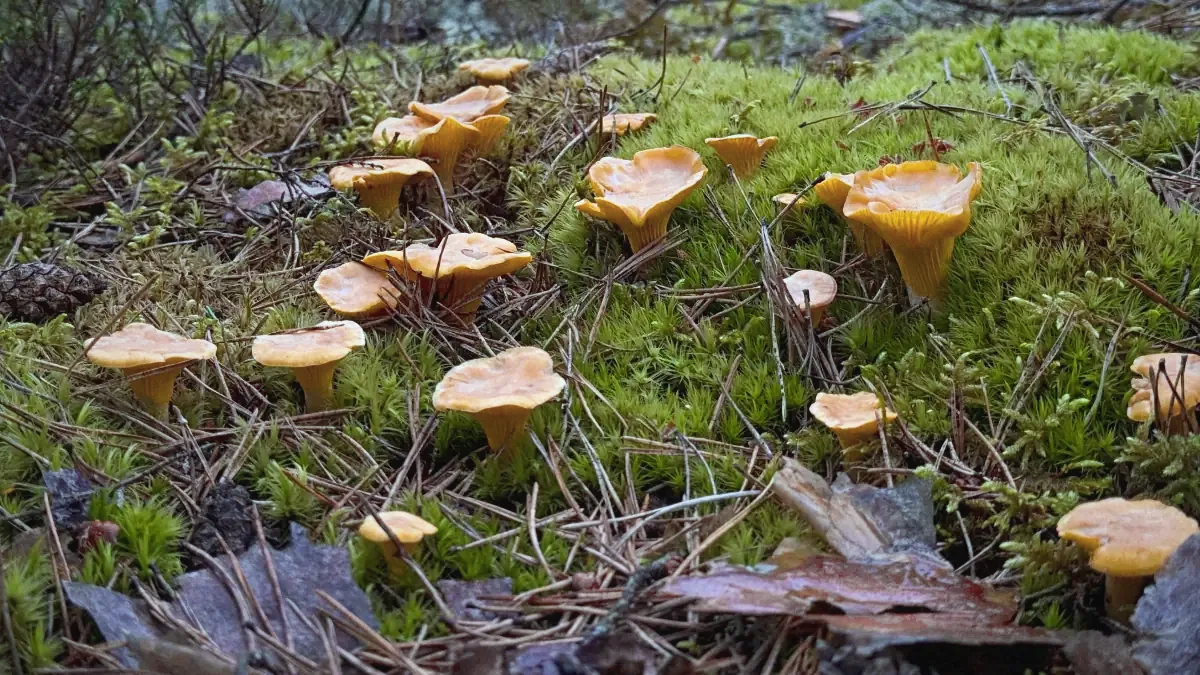
Chanterelles are little yellow trumpets. You cannot hear them, but you can smell them the moment they land in the pan. In Italian they are called “finferli”, which sounds cheerful just saying it. In late summer they play first violin here.
“Good cooking begins where you sit at the table, break the bread, scrape the sauce out with a spoon and forget to look at the clock.”
Where does a chanterelle belong?
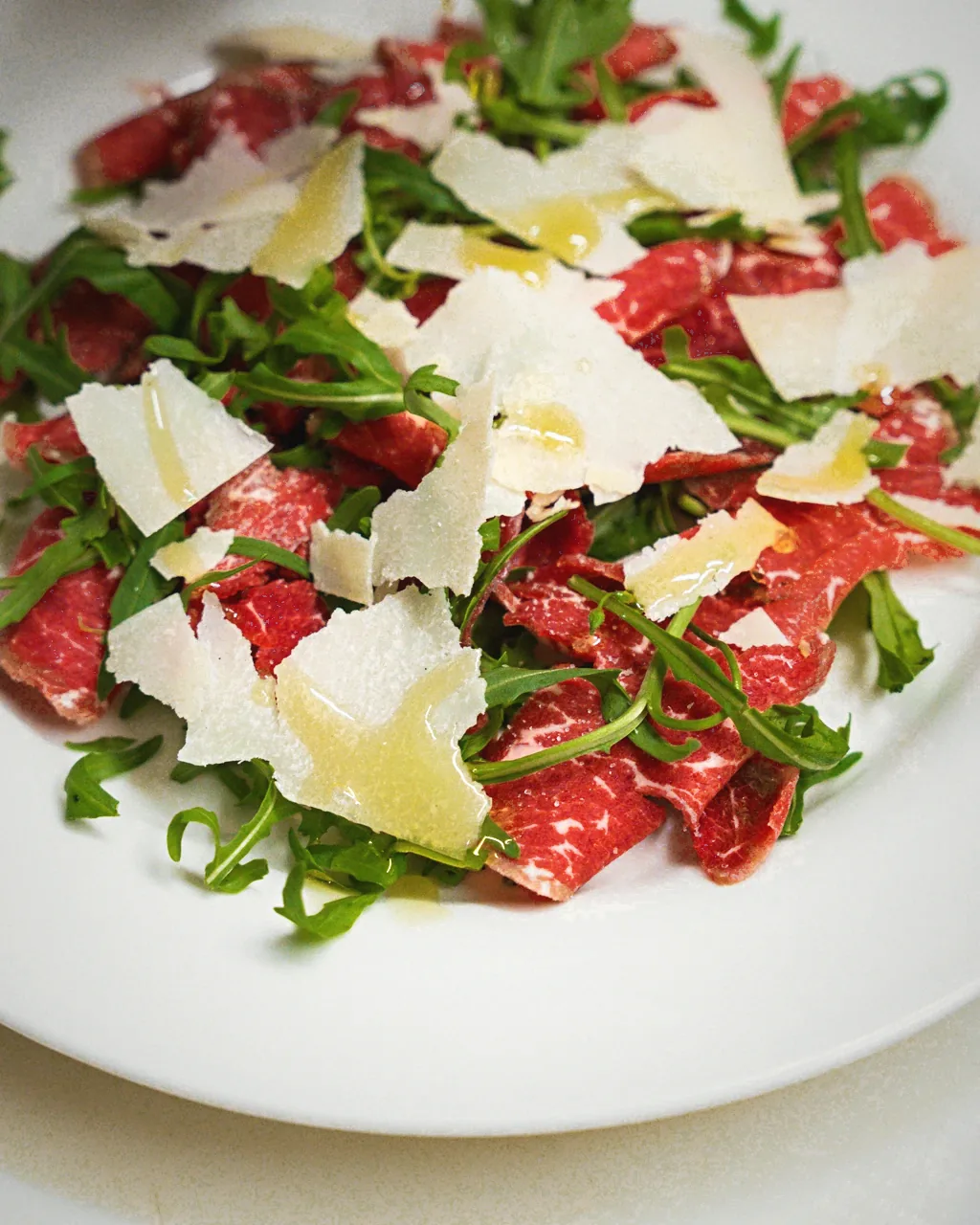
Almost anywhere. The Pizza alla boscaiola, the woodcutter’s pizza, came out of the oven with mozzarella and fried mushrooms. In the Tagliolini ai finferli the chanterelles met bacon and onions. Those who like forest and water on one plate got zander on chanterelles, and the Argentinian rump steak came with a white wine and chanterelle sauce. Anyone who did not want mushrooms still did not go away empty-handed: there were Linguine al tonno with capers and olives, a grilled sea bream fillet with herb vegetables and saddle of lamb in herb sauce.
Can you simply pick chanterelles?
Yes, but in moderation. Chanterelles, like porcini, birch boletes, orange birch boletes and morels, are specially protected under the Federal Species Protection Ordinance. There is an exception for them, though: anyone who picks only a small amount for their own use may do so. Anyone who wants to pick on a large scale and sell needs a permit. In Rhineland-Palatinate the state forest law also applies. In short: the chanterelle may go into the cooking pot, but not into the car boot.
How many can go in the basket?
Federal law sets no fixed limit. Authorities and guides usually name about one to two kilos per person per day. That is plenty for a good panful. If you find more, enjoy it and leave the rest standing. The forest remembers such things.
Who can help if you are unsure?
The German Mycological Society trains mushroom experts. On its website you can find them by postcode. Advisers recommend asking to see the society’s identity card. One expert summed up the most important rule in a single sentence: when identifying mushrooms, 99 per cent certainty is not enough. At school that would be top marks. In the forest it is too little.
What does Goethe have to do with a farm above Vallendar?
On 18 July 1774 the young Goethe was a guest in Vallendar; that is documented. Local tradition tells more: on the same day he is said to have visited the Wüstenhof above the town and written the poem “Heidenröslein” there. Today a Goethe column stands on the spot. Goethe scholars, however, see it differently. They date the poem to around 1771, to his time in Strasbourg.
So it is a legend. But a lovely one, and the column is still standing. Legends simply have staying power. According to the farm itself, the Wüstenhof has been run by the same family for over 300 years. At Löhrstraße 77 the count is a little more modest: Italian food has been cooked there since 1978. From there a walking loop leads to Mount Schönstatt and through Vallendar. Taking a basket does no harm. Nor do the rules above.
The chanterelle weeks are over; you will find the current weekly menu on the menu page. You are welcome to book a table personally by phone on 0261 60329.
There is one mushroom you may not dig up in German forests at all, not even a small piece. Why, is told in the sixth chapter.
AddressRistorante Rialto, Löhrstraße 77, 56179 Vallendar
Opening hoursTuesday to Saturday 11:30–14:15 and 17:30–22:00, closed Sunday and Monday
Phone0261 60329, we are happy to book tables by phone
Feeling hungry?
That is catching here. The whole menu is one click away, a table one phone call.